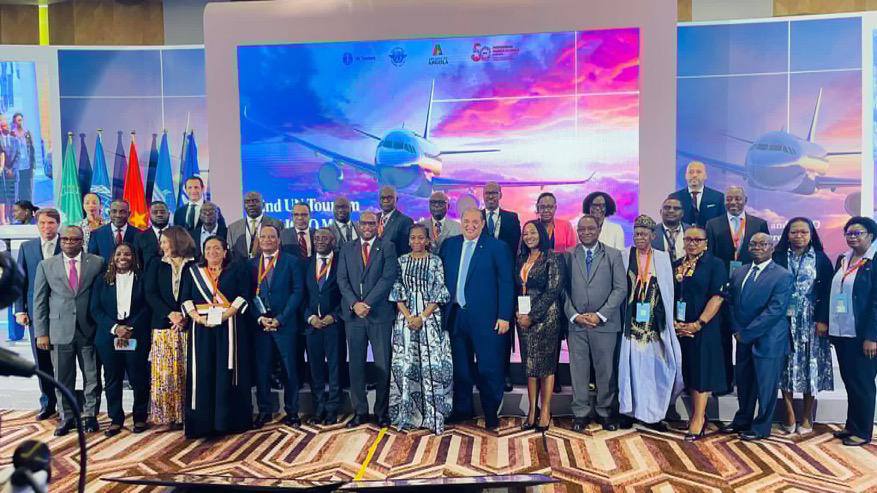
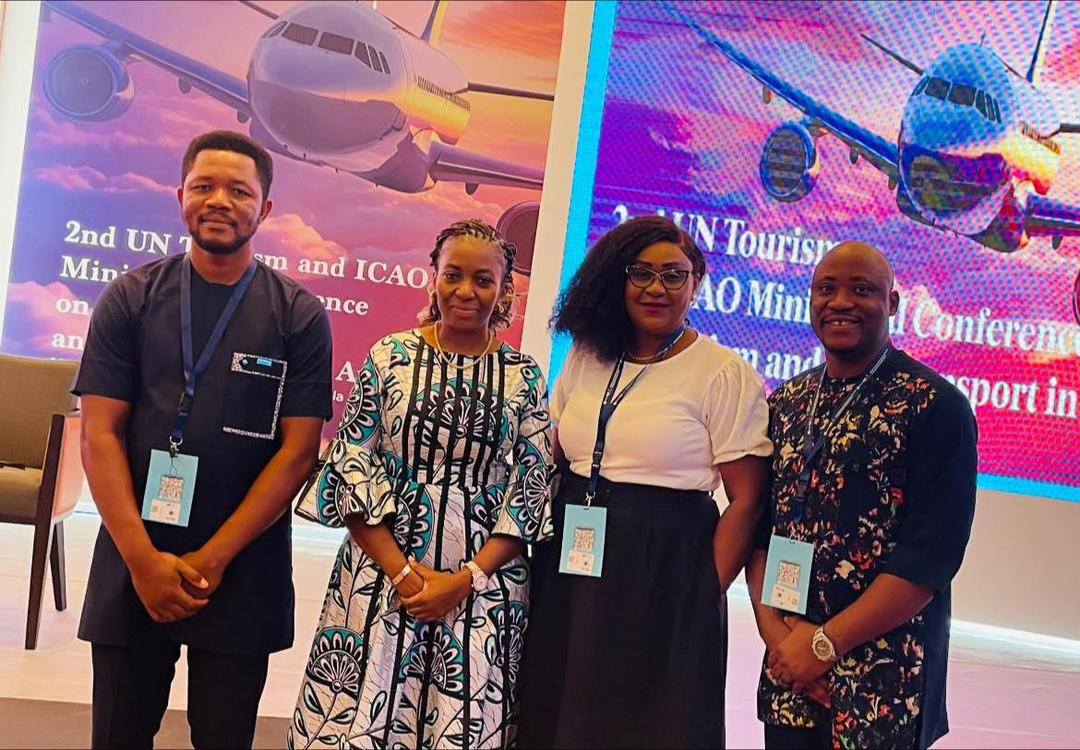
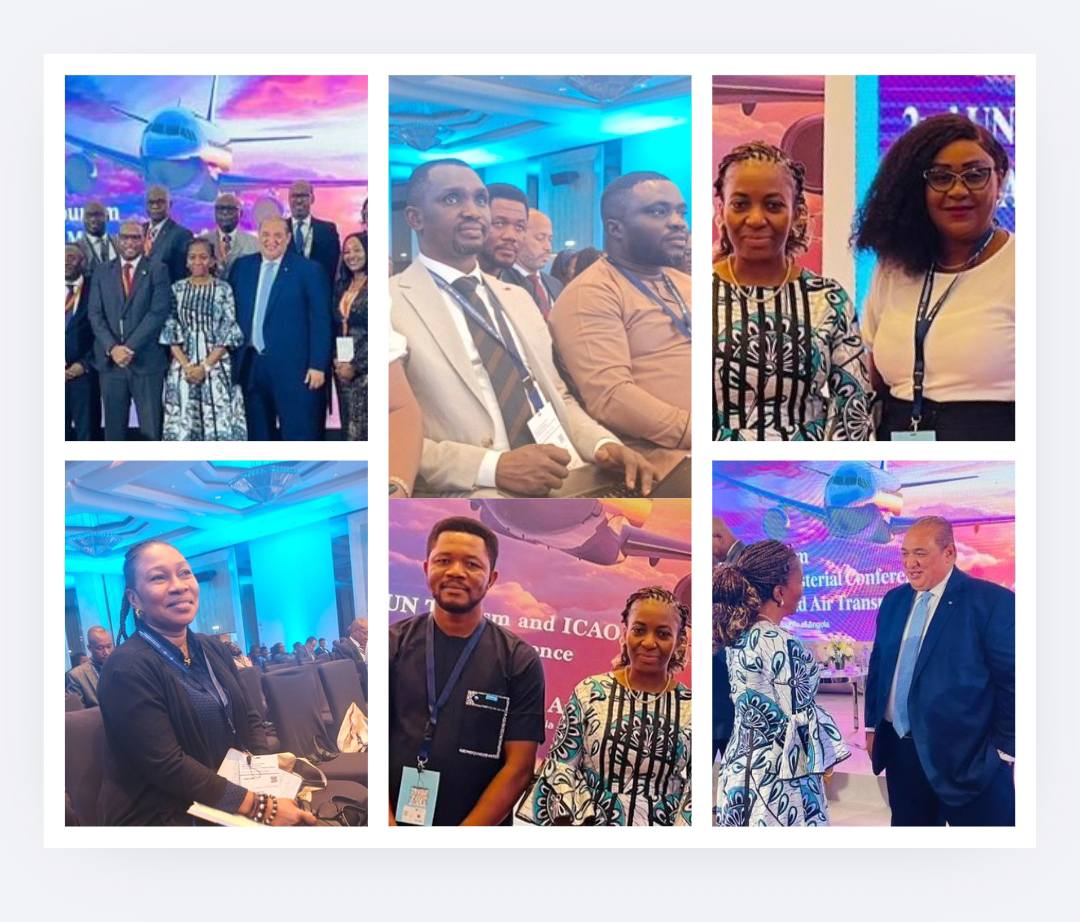
Key takeraways from each session of the Day One workshop at the 2nd UNTourism and ICAO Ministerial Conference on Tourism and Air Transport in Africa:

Key takeraways from each session of the Day One workshop at the 2nd UNTourism and ICAO Ministerial Conference on Tourism and Air Transport in Africa:
UNTourism
UNTourism, ICAO

First Session:

Leveraging Technology and Innovation to Shape the Future of Tourism and Air Transport
Digital innovations such as smart mobility, digital tourism platforms, smart airports, and advanced route planning are transforming Africa’s sectors.
These technologies can address sector-specific challenges, enhance connectivity, improve accessibility, and support sustainable growth.
Successful adoption requires strategic investments, public-private partnerships, and aligned policies.
Drive innovation to create seamless, efficient, and sustainable travel experiences across Africa’s infrastructure.
Second Session:
Advancing Air Transport through Tourism in Africa
Addressing Africa’s pressing air connectivity issues remains critical for sector growth.
Positive impacts come from existing initiatives, while regulatory barriers and policy gaps hinder progress.
Stronger coordination between tourism and air transport policies is essential to unlock connectivity potential.
Address root causes of challenges to build resilient and efficient air transport systems that support tourism growth.
UNTourism, ICAO
Third Session:
Building the Case for Investment in Tourism and Air Transport Infrastructure
Infrastructure investments are vital for sector growth; current challenges include financing difficulties and investor confidence.
Significant potential exists in airport development, digital infrastructure, mobility solutions, and tourism sectors.
Emphasis on public-private partnerships and innovative financing models to attract investments.
Unlocking infrastructure development can accelerate growth, job creation, and economic diversification.
Fourth Session:
Strengthening Regional Integration and Accessibility in Tourism and Air Transport
Initiatives like AfCFTA and SAATM are key to creating seamless travel, trade, and tourism flows across Africa.
UNTourism, ICAO
Policy harmonization and collaborative strategies are needed to maximize regional benefits.
Infrastructure development must be accessible to people with limited mobility, ensuring inclusive and equitable growth.
Focus on practical strategies to foster long-term sustainability, improve operational efficiency, and promote free movement.
Innovation and technology are pivotal to transforming Africa’s tourism and air transport sectors.
Strengthening connectivity through policy reform and regional cooperation is essential.
Investment in infrastructure and digital solutions will unlock sector potential.
Inclusive and accessible infrastructure development must be prioritized to ensure benefits are widespread.
Public-private partnerships and strategic investments are critical drivers of sustainable growth.

UNTourism, ICAO

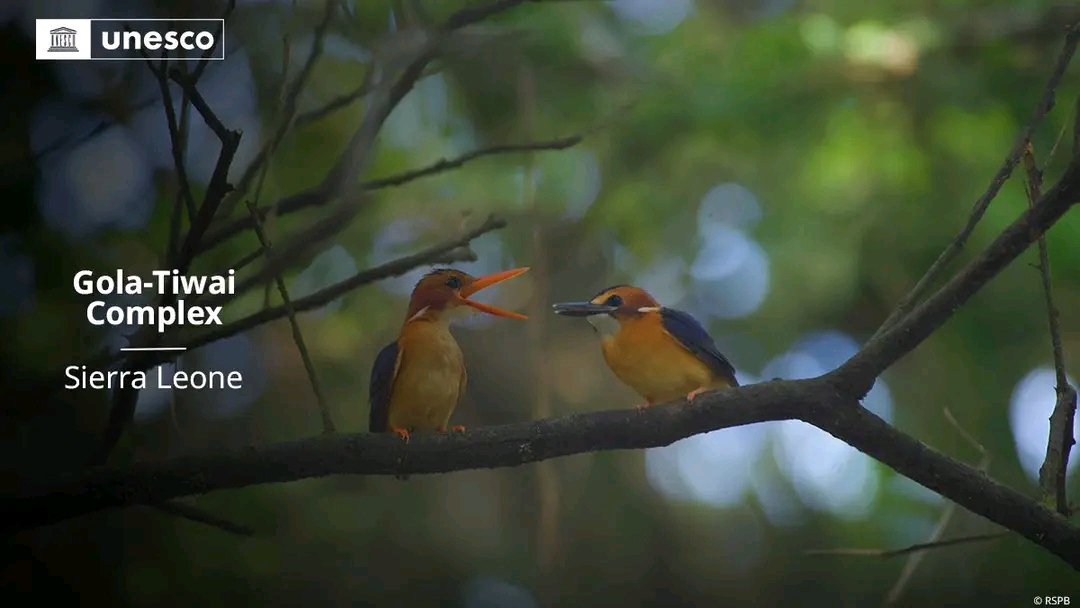
Sierra Leone Celebrates a Historic Milestone: Tiwai Island and Gola Forest Inscribed as UNESCO World Heritage Sites in 2025

Freetown, Sierra Leone — In a momentous achievement that marks a new chapter for Sierra Leone’s rich natural heritage, the country’s topmost biodiversity hotspots—Tiwai Island and Gola Forest—have been officially inscribed on the UNESCO World Heritage List. This historic designation was announced at the 47th Session of the UNESCO World Heritage Committee on July 13, 2025, cementing Sierra Leone’s position as a vital custodian of global biodiversity.
The successful inscription of the Gola-Tiwai Complex as a UNESCO World Heritage Site is not only a testament to the country’s remarkable ecological treasures but also a catalyst for transforming Sierra Leone’s tourism sector. As the nation embraces 2025 as the “Year of Ecotourism,” this achievement promises to ignite new interest, investment, and sustainable development opportunities centered around conservation and eco-friendly travel.
UNESCO World Heritage
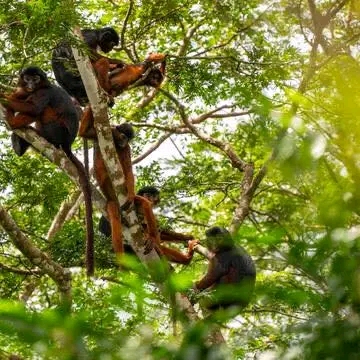
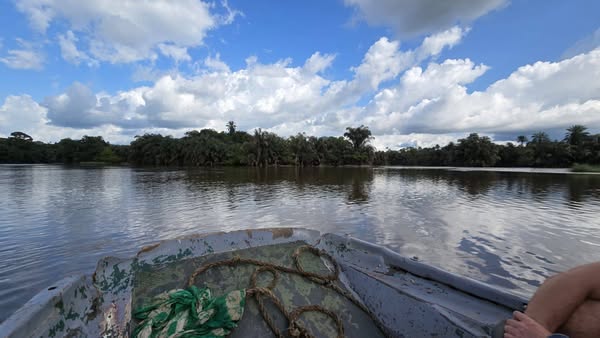
Tiwai Island, renowned for its diverse primate populations, and Gola Forest, a sprawling sanctuary of rare flora and fauna, have long been treasures of Sierra Leone’s natural landscape. Their recent UNESCO recognition underscores the global significance of these sites, which harbor unique ecosystems and species found nowhere else on Earth.
The journey to this milestone was marked by dedicated efforts from Sierra Leone’s Ministry of Tourism and Cultural Affairs (MDA), in collaboration with environmental NGOs and local communities. Their comprehensive dossier highlighted the ecological importance, cultural value, and the urgent need for conservation of these critical habitats. The successful submission and subsequent approval reflect Sierra Leone’s commitment to protecting its natural heritage and promoting sustainable tourism.
UNESCO World Heritage
As Sierra Leone proudly unveils these two biodiversity gems on the UNESCO World Heritage Map, the nation’s focus on sustainable ecotourism gains renewed momentum. The inscription of the Gola-Tiwai Complex signifies a collective achievement—one that highlights Sierra Leone’s dedication to preserving its natural legacy for future generations.
This historic event not only celebrates the country’s ecological wealth but also underscores its potential as a responsible tourism destination that champions conservation, community involvement, and ecological resilience. The world now looks to Sierra Leone as a guardian of biodiversity, setting an inspiring example for other nations to follow.
Commitment to protecting the planet’s natural heritage—an achievement to be celebrated by all Sierra Leoneans and the global community alike.