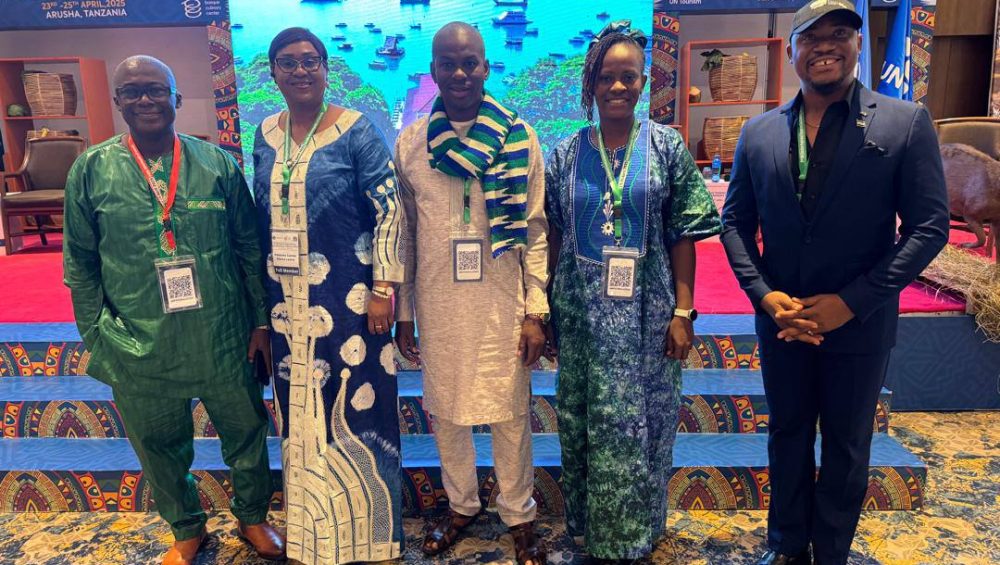
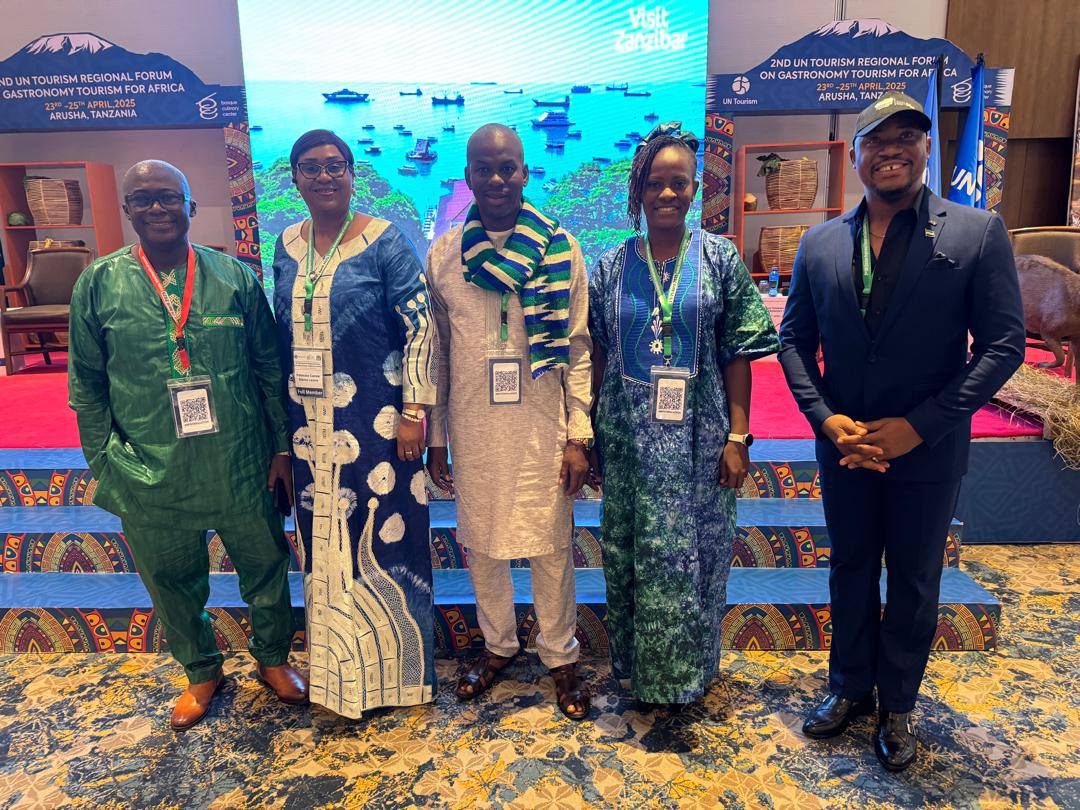
𝙐𝙉𝙏𝙊𝙐𝙍𝙄𝙎𝙈 𝙎𝙀𝘾𝙍𝙀𝙏𝘼𝙍𝙄𝘼𝙏 𝙊𝙁𝙁𝙄𝘾𝙄𝘼𝙇𝙇𝙔 𝘼𝙉𝙉𝙊𝙐𝙉𝘾𝙀𝘿 𝙎𝙄𝙀𝙍𝙍𝘼 𝙇𝙀𝙊𝙉𝙀 𝘼𝙎 𝙃𝙊𝙎𝙏 𝘾𝙊𝙐𝙉𝙏𝙍𝙔 𝙁𝙊𝙍 𝙏𝙃𝙀 2026 𝙐𝙉𝙏𝙊𝙐𝙍𝙄𝙎𝙈 𝙂𝘼𝙎𝙏𝙍𝙊𝙉𝙊𝙈𝙔 𝙁𝙊𝙍 𝘼𝙁𝙍𝙄𝘾𝘼.
The second day of the “UNTourism on Gastronomy for Africa” conference marked a pivotal step toward transforming the continent into a renowned global culinary destination. Gathering representatives from 30 countries, with over 200 active participants and a digital audience of 600, the session offered a comprehensive platform to strategize on elevating African gastronomy. The discussions underscored a collective recognition that Africa’s rich culinary heritage, if harnessed effectively, can become a powerful driver of tourism, economic development, and cultural preservation.
The session emphasized the need for an integrated, multi-sectoral strategy encompassing policy, education, community engagement, innovation, and marketing. Central to this was the understanding that Africa’s diverse culinary traditions are a treasure trove waiting to be showcased globally through authentic storytelling, strategic branding, and innovative product development.
Developing a cohesive national gastronomy strategy is paramount. Countries must craft compelling narratives that highlight their unique culinary identities rooted in cultural heritage and sustainability. Building a strong international brand involves consistent storytelling that elevates Africa’s culinary diversity, fostering recognition and pride at home and abroad.
To nurture local talent, educational curricula need reform to incorporate modern and sustainable gastronomy practices. Specialized courses focusing on food culture, nutrition, and culinary arts tailored to local contexts are vital. Additionally, expanding scholarship opportunities and practical training will bridge skills gaps and develop a new generation of chefs and industry professionals equipped to innovate and lead.
Encouraging creativity and diversity in culinary offerings is crucial. Promoting sustainable sourcing of local ingredients not only ensures authenticity but also supports local economies. Leveraging new technologies, including AI, can enhance efficiency, creativity, and yield management—setting Africa apart as an innovator in gastronomy.
Inclusion of women and marginalized groups in culinary entrepreneurship fosters equity and broadens the industry’s scope. Showcasing indigenous food practices through festivals, media, and digital platforms helps preserve cultural heritage while raising awareness among locals and tourists alike.
Digital platforms—social media, storytelling, and online marketing—are vital tools for reaching global audiences. Establishing networks for best practices, research, and collaboration will foster continuous growth. Strong partnerships between governments, private sector, and academia are essential for sustainable progress.
The session acknowledged significant hurdles, including mindset barriers, limited funding, capacity gaps, and policy implementation challenges. Overcoming these requires a multifaceted approach:
Promoting stakeholder inclusivity and cross-sector collaboration.
Strengthening policy implementation and ensuring sustainable funding.
Accelerating digital transformation, particularly AI integration.
Aligning practices with Sustainable Development Goal 12.3 (responsible consumption and production) to promote sustainability.
Prioritize skills development through research, curriculum reform, and practical training.
Recognize and promote African culinary identity via local products and chefs.
Embed gastronomy as a strategic sector within government policies.
Empower women and marginalized groups through capacity-building and recognition.
Foster innovation and sustainability in food practices aligned with SDGs.
Africa stands on the brink of becoming a global culinary hub. Achieving this vision mandates strategic planning, multi-stakeholder collaboration, and embracing technological advancements. Emphasizing community involvement, cultural preservation, and sustainability will be essential in positioning African cuisine on the world stage.